Book Notes: "Hemingway: The 1930s" by Michael S. Reynolds

Hemingway: The 1930sHemingway: The 1930s by Michael S. Reynolds

My rating: 4 of 5 stars


I was saddened to learn, as I went to write this review, that Michael Reynolds died in 2000. Initially, the concept of the book made me wonder whether Reynolds' work is merely a retelling of the master's work: whether Reynolds had much talent at all and simply used another's carefully-crafted public image as a topic for elevating one's own status. Moreover, my first thoughts were that chronologically-ordered books tend to be a hard slog to read. Australian war historian Lex McAulay came to mind as he writes very well-referenced, precisely-detailed and scholarly work which can be incredibly difficult to read other than for research purposes and I couldn't help seeing the similarities in style from a "readability" perspective. Nonetheless, Reynolds successfully melds chronology, at-times lengthy quotations, details and historical context with his own blend of character depictions and descriptions, without ever appearing to over-step the mark and over-dramatise history in what is an essentially good, scholarly and entertaining read. Reynolds' ability to capture the history of a character who was synonymous with the spirit of so many of the more romantic elements of the twentieth century is remarkable. I was reading Hemingway's "A Moveable Feast" and a number of his famous short stories while also reading Reynolds' work, an approach which I intend to continue as I read and study more of Hemingway's legacy while reading Reynolds' "The Paris Years". Nevertheless, I couldn't help but notice how the chronologically-ordered chapters move from year to year until the last few chapters where the years are suddenly jammed together as if the author became frustrated with the approach and forsook the planned structure in order to finish the book using less words than originally intended. On learning of Reynolds' death, and reflecting on Hemingway's witnessing the beginnings of his own legacy, however, i cannot help but think that Reynolds' work stands on its own two feet and is worthy of much praise as a historical piece. While not in the same vein as Hemingway's oft more glamorous career, I can not help but think that Reynolds' lifetime effort to record for posterity the lifetime of another was, in its own way, a life worth living. With that in mind, I suspect the true greatness of Reynolds' work is in the entire series on Hemingway, and not just this one volume.


View all my reviews

World Social Science Forum 2013: Social Transformation & the Digital Age

Trois-Rivières, Quebec, 7 July 2007
For the first time in years I can focus on going to conferences. This year I plan to attend at least one international and one domestic conference. In 2006, I was hoping to present at the International Political Science Association conference in Fukuoka, but it was never going to happen. So now with the PhD out of the way, this year I hope to present a paper at the World Social Science Forum in Montreal where the topic is, conveniently, "Social Transformation and the Digital Age".

It will be great to go back to Canada, especially Quebec! Here is the abstract:

Transformational or Co-Evolutionary? Challenging the Dominant Approach to Understanding the Influence of Communications Technologies on Society
Michael de Percy, University of Canberra, Australia

Typically, the transformation of society by communications technologies is viewed as inevitable, where governments and businesses react passively to new technological developments as these occur. However, and despite globalisation, communications technologies are inextricably linked to national security concerns, and hence remain firmly entrenched within the jurisdiction of nation-states. As such, national governments can limit the transformational capacity of communications technologies. Yet much analysis of the impact of communications technologies over-states the deterministic nature of the technologies themselves, and largely views institutions - or the formal and informal rules of the game - as reactionary. Further, it is not uncommon for analyses based on technological determinism to view new communications technologies as revolutionary - following Schumpeter’s ‘creative destruction’ model - while ignoring situations where communications technologies are clearly not deterministic. Using an historical institutionalist model of the co-evolution of institutions and communications technologies, this paper challenges technological determinism as the dominant approach to analysing the ability of communications technologies to transform society. The paper argues that a co-evolutionary approach avoids technological determinism’s inherent logical flaws by taking into account the ability of institutions to restrict communications technology’s transformational inevitability.

There is nothing to doing a PhD. All you do is sit down at your computer and bleed

© Depositphotos.com/@cookelma
What is the purpose of the critic? In high school the role isn't noticeable, one just gets that first draft over the minimum word limit and in on time and then it's done and then high school is over. When one gets to university the priority should be on protecting one's sensibilities from focused criticism. As universities exist to ratify one's preordained competence, all the rigmarole is completely unnecessary.


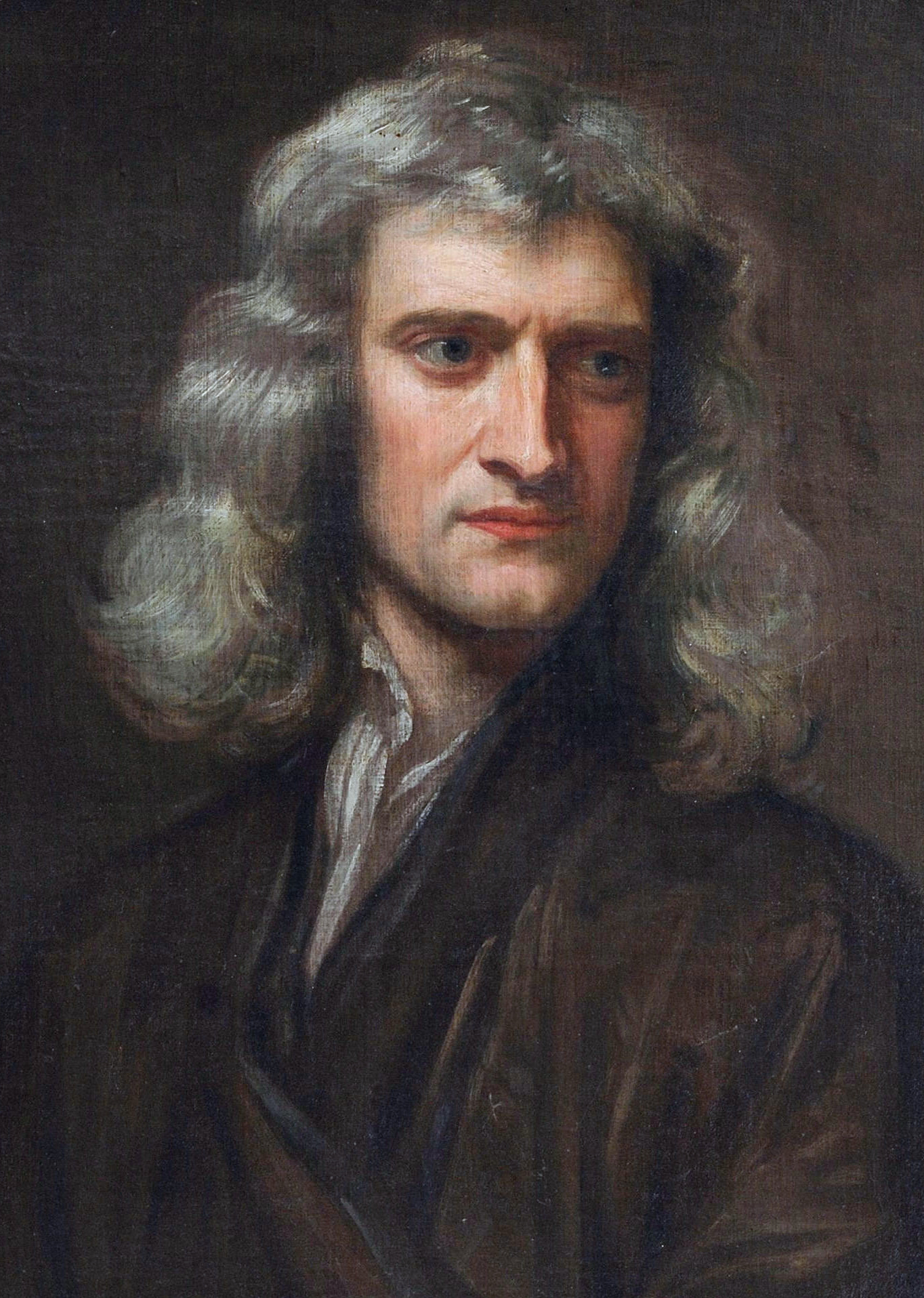
It is of course a commonplace that an academic possesses the serene confidence that one is a full-sized researcher and therefore need not put forth evidences of empirical observations based on sound research design, nor take into account that one's contribution to new knowledge has anything to do with seeing further by standing on the shoulders of giants
Isaac Newton, 1689

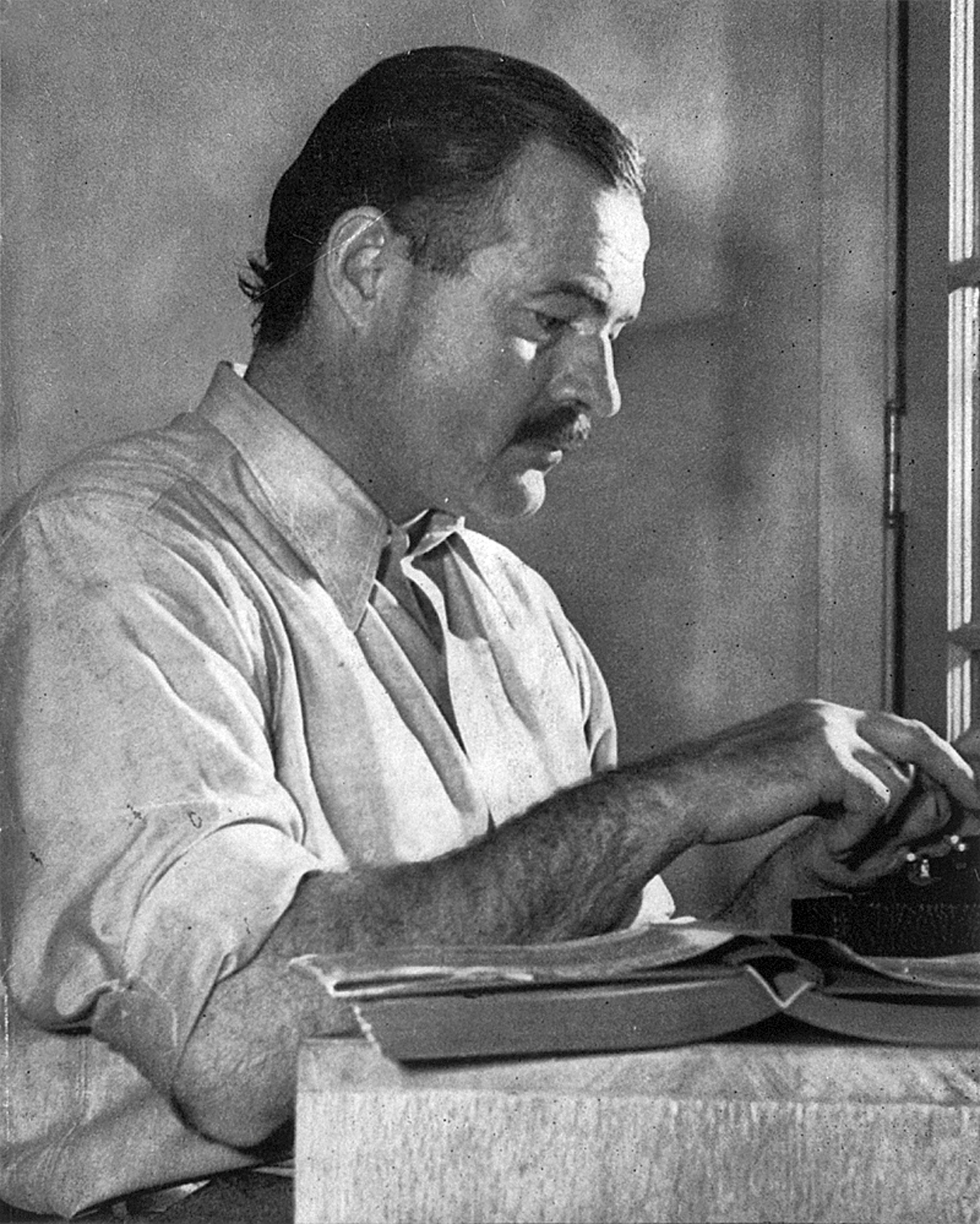
Only a fool would twist and turn and practise productive procrastination while trudging along the razor's edge of sanity and the other. All this is completely unnecessary because you can do it all online for free via a MOOC.

Ernest Hemingway, 1939
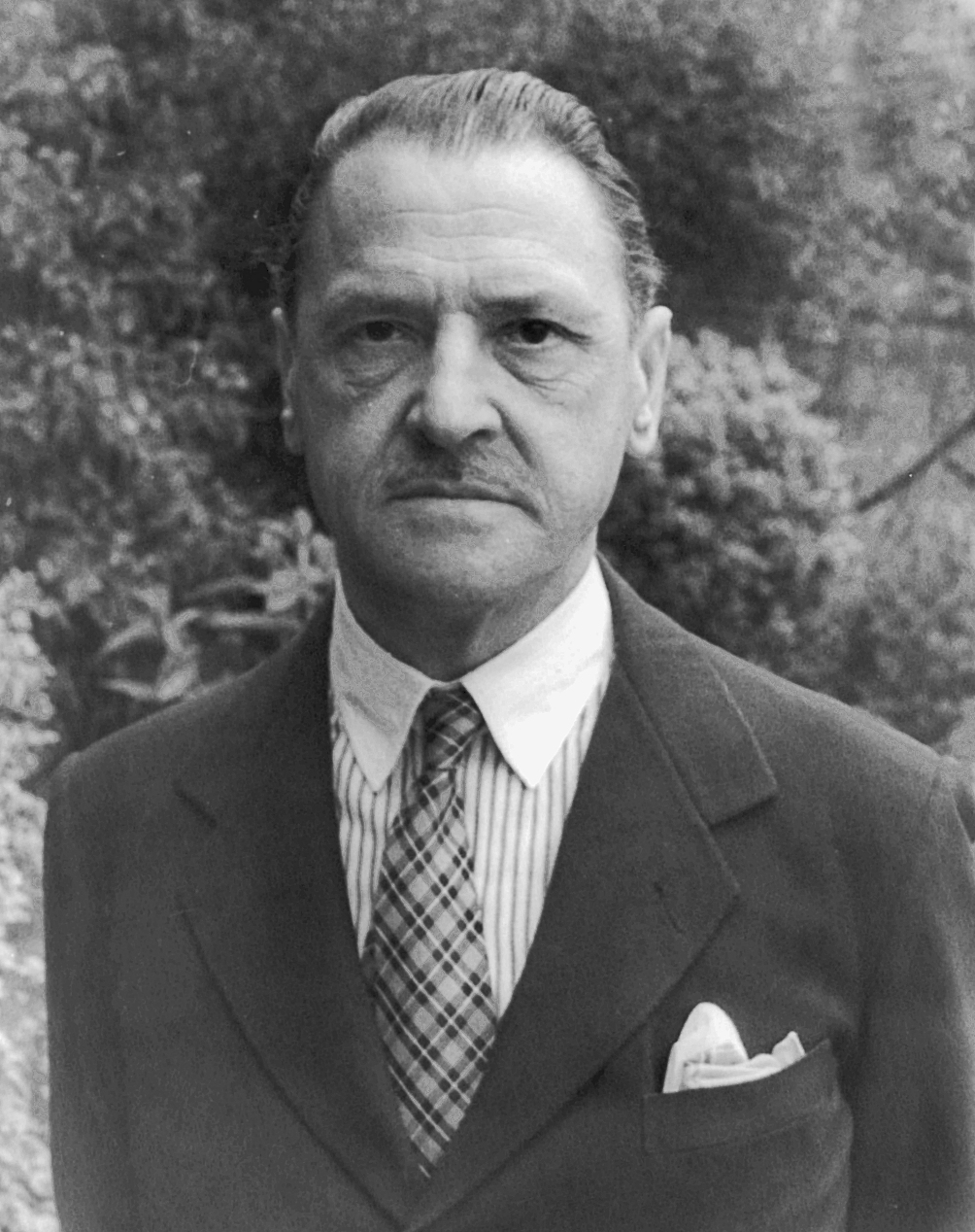
All one needs to do to become an expert is to pick a field then constantly browse the Net for information on the topic. There is no need for supervision and if you get stuck, simply source knowledge from the crowd. Moreover, laborious referencing is an antiquated skill which is simply not vocational. What use could proper referencing possibly have today anyway?

W. Somerset Maugham, 1934
I’d always thought that being an academic was the next best thing to being independently wealthy. And it's true. Seriously, this elitist profession has had its day. Society doesn't really need academics, and anyone can be one.


© 2025 Dr Michael de Percy
made with by templateszoo